Materials Used In Grid-Connected Solar Systems
News
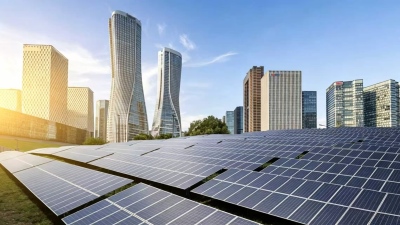
Silicon: Silicon is the core raw material for solar photovoltaic (PV) power generation, accounting for a large proportion of the cost of PV cells. Silicon materials are mainly divided into monocrystalline silicon and polycrystalline silicon. Monocrystalline silicon has a higher photoelectric conversion efficiency, typically between 18% and 24%, but its production cost is relatively high. Polycrystalline silicon has a slightly lower photoelectric conversion efficiency, generally between 15% and 18%, but its production cost is lower, making it the most widely used silicon material on the market. The quality of silicon materials directly affects the performance and lifespan of PV cells; therefore, strict requirements are placed on parameters such as the purity and crystal structure of silicon materials during the production process.
Glass: Photovoltaic glass is an important component of solar photovoltaic power generation systems. It is mainly used to encapsulate PV cells, protecting them from external environmental corrosion while allowing sunlight to pass through and reach the cells. Photovoltaic glass typically uses ultra-white rolled glass or float glass, featuring high light transmittance, low iron content, and strong weather resistance. High light transmittance ensures more sunlight is absorbed by the battery, improving power generation efficiency; low iron content helps reduce light absorption and reflection losses; strong weather resistance ensures the photovoltaic glass can be used for a long time in harsh environments without easily being damaged.
EVA Film: EVA film is a key material for photovoltaic cell encapsulation. It is located between the photovoltaic glass and the cell, serving as an adhesive and sealant. EVA film has good light transmittance, weather resistance, and elasticity, ensuring stable performance of the photovoltaic cell during long-term use. Simultaneously, EVA film effectively prevents moisture and oxygen from entering the cell, protecting it from corrosion and aging.
Backsheet: The backsheet is another protective material for photovoltaic cells. Located on the back of the cell, it provides support and protection. Backsheets are typically made of materials such as TPT (polyvinyl fluoride composite film) or TPE (polyester composite film), possessing good weather resistance, UV resistance, and anti-aging properties. The quality of the backsheet directly affects the lifespan and stability of the photovoltaic cell.
Aluminum Alloy Frame: The aluminum alloy frame is the supporting structure of the photovoltaic module, used to fix and protect the photovoltaic cells, glass, and backsheet. Aluminum alloy frames are lightweight, high-strength, and corrosion-resistant, ensuring the photovoltaic module maintains stable structure and performance during long-term use.
Gathering Box: The junction box is the electrical connection part of the photovoltaic module, used to lead the direct current generated by the photovoltaic cells to the external circuit. Junction boxes are typically made of waterproof, dustproof, and corrosion-resistant materials, possessing good sealing and electrical performance. The quality of the junction box directly affects the safety and reliability of the photovoltaic module.
In addition to the above main raw materials, solar photovoltaic power generation systems also require some auxiliary materials, such as solder ribbons, busbars, and silicone sealant. These materials also play an important role in the production and encapsulation of photovoltaic cells.
 Send Email
 Joyful Power
 19822673336