Tips For Using Grid-Connected Solar Systems
News
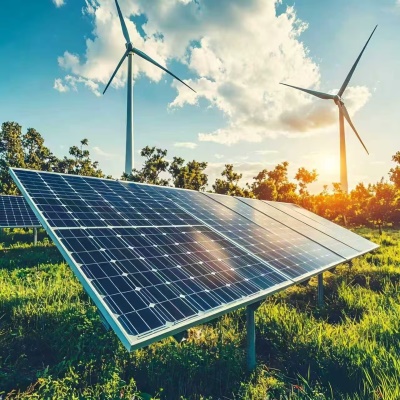
The techniques for using grid-connected solar systems aim to improve system power generation efficiency, ensure operational safety, and optimize economic benefits. The following techniques provide targeted suggestions based on different application scenarios and system configurations.
System Selection and Configuration Tips
Define the Grid Connection Mode: The mainstream grid connection mode is "self-consumption with surplus power fed into the grid," which eliminates the need for energy storage devices, reducing initial investment and maintenance complexity.
If there are significant electricity price differences or unstable power supply in your area, consider configuring an energy storage system (integrated photovoltaic and energy storage) to achieve peak-valley electricity price arbitrage, increase self-consumption ratio, and ensure emergency power supply.
Optimize Module and Inverter Matching: Prioritize high-efficiency monocrystalline photovoltaic modules and select string or centralized inverters based on system capacity and installation environment to ensure maximum energy conversion efficiency.
Installation and Acceptance Techniques
Emphasis on Site Survey and Design: Before installation, accurately measure the roof dimensions, orientation, shading conditions, and load-bearing capacity. Based on this, design a reasonable component tilt angle and arrangement to maximize solar radiation reception.
Strictly Adhere to Safety Regulations: Construction must ensure reliable lightning protection grounding, tight waterproofing, and adequate cable protection (e.g., rodent protection) to avoid safety hazards such as electrical leakage and water leakage. Before grid connection, the power company's acceptance process must be completed, a bidirectional meter must be installed, and a grid connection agreement must be signed.
 Send Email
 Joyful Power
 19822673336