Categories

Contact Us
Tel:+86-25-8320 9286
Email:sales@joyful-industrial.com
Add:No.20 Jiangjia Industrial Park, Gulou District, Nanjing, Jiangsu, China
Earth Fault and Short Circuit Indicator Panel Type Fault Passage Indicator for Medium Voltage Switchgear
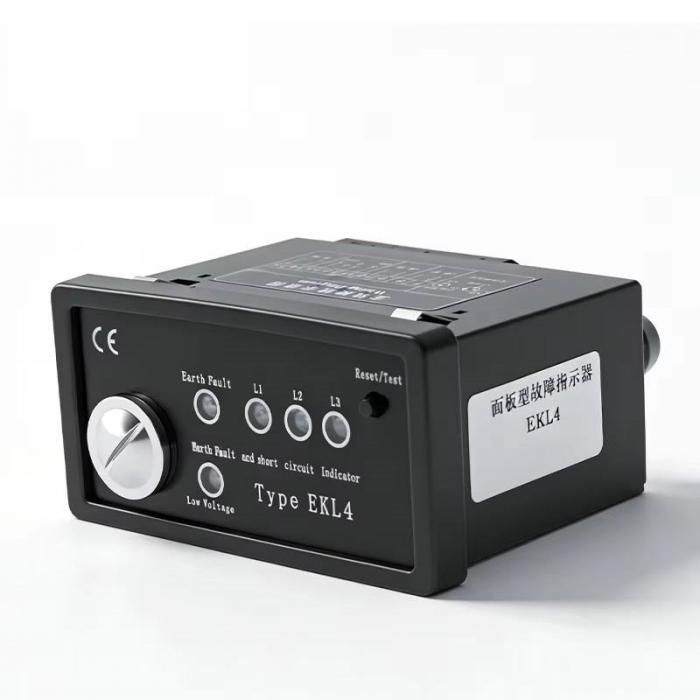
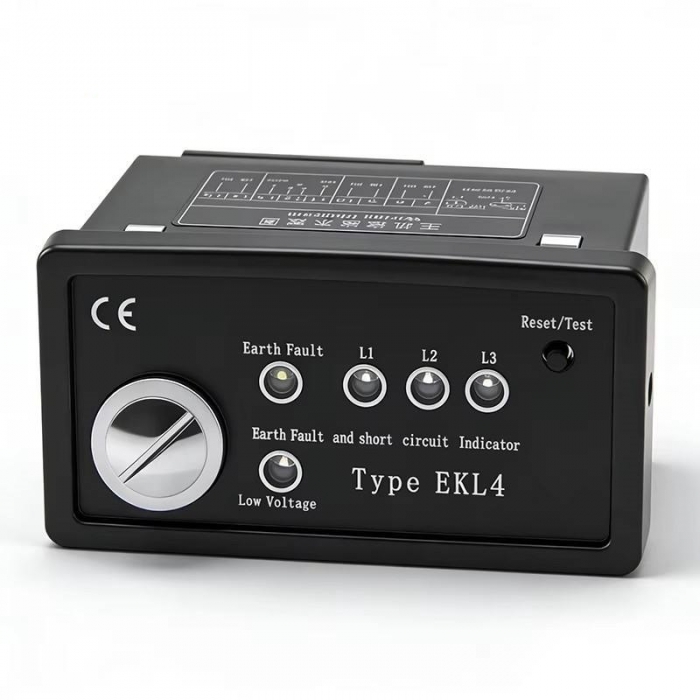
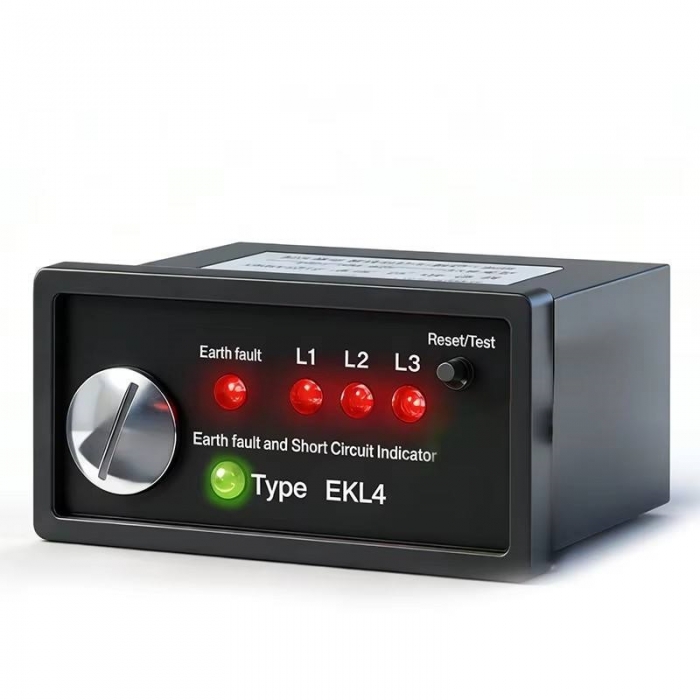
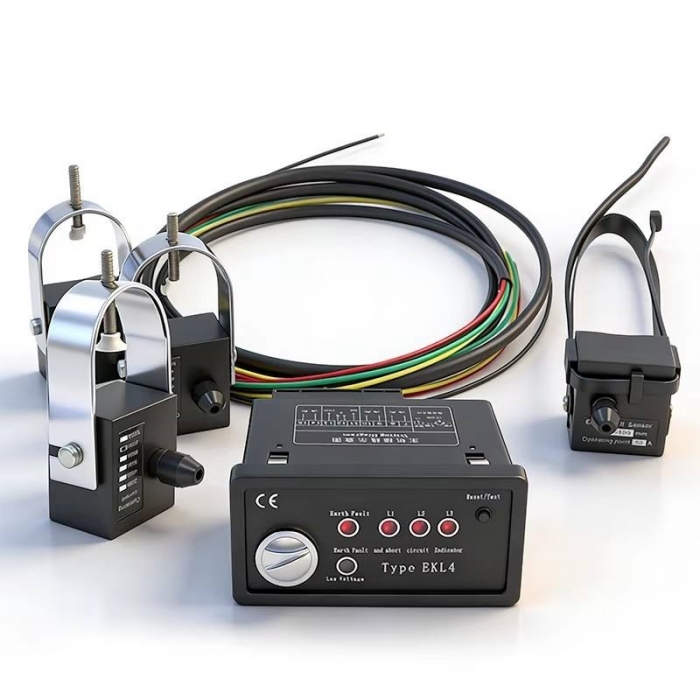
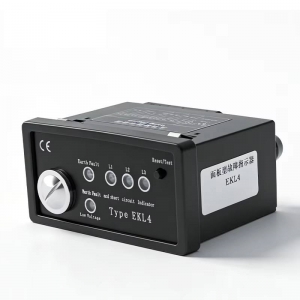
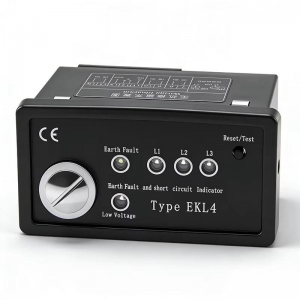
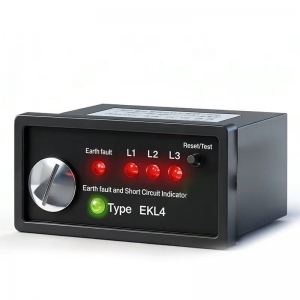
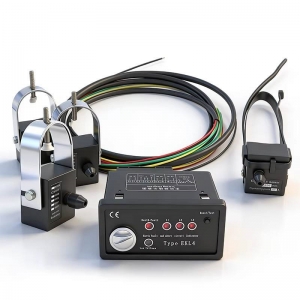
| Name: | Earth Fault and Short Circuit Indicator Panel Type Fault Passage Indicator for Medium Voltage Switchgear |
|---|---|

Product Description
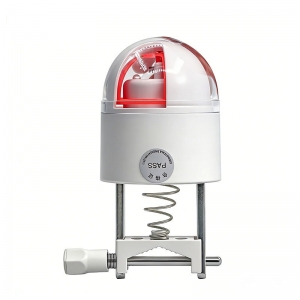
A fault indicator is an electromagnetic induction device that can reflect the passage of short-circuit current by displaying a fault sign (red flag). When this fault indicator is installed along the distribution line, if a line fault occurs and short-circuit current flows, the fault indicator will operate, and the fault sign red flag will appear. Then, by patrolling along
the line, all fault indicators from the power supply side to the fault point show red flags, while those after the fault point do not, thus it can be determined that the fault point is between the last red-flagged point and the first non-red-flagged point afterward.
Fault indicators usually include parts for current and voltage detection, fault determination, fault indicator driving, fault status indication, signal output, and automatic delayed reset control.
Fault indicators are generally installed on overhead lines, overhead cables, buried cables, or switchgear busbars. Therefore, they detect voltage by sensing the spatial electric field potential gradient and detect line current through electromagnetic induction.
Classification:
1. Fault indicators can be divided into three types according to the application object: overhead type, cable type, and panel type.
2. According to whether they have communication functions, fault indicators can be divided into local fault indicators and fault indicators with communication.
3. According to the functions implemented by the fault indicators, they can be divided into short-circuit fault indicators, single-phase grounding fault indicators, and grounding and short-circuit fault indicators.
Features :
Formed in one piece using high-strength and highly transparent aviation materials, and treated with nanotechnology, offering better transparency, resistance to dirt, anti-aging, free protection, and long service life.
① High-performance rechargeable battery with a lifespan of over 8 years.
② Circuit board composed of imported components such as dedicated chip microcontrollers.
③ Shell made of aviation and nanomaterials.
④ Nickel-plated, highly magnetic. Cable-clamping structure can be installed live.
⑤ Uses red fluorescent paint, strong visibility, clearly indicated under nighttime lighting.
⑥ Display rotator that does not fade even after long-term outdoor ultraviolet exposure.

 Send Email
 Joyful Power
 19822673336
LiveChatclose